Community
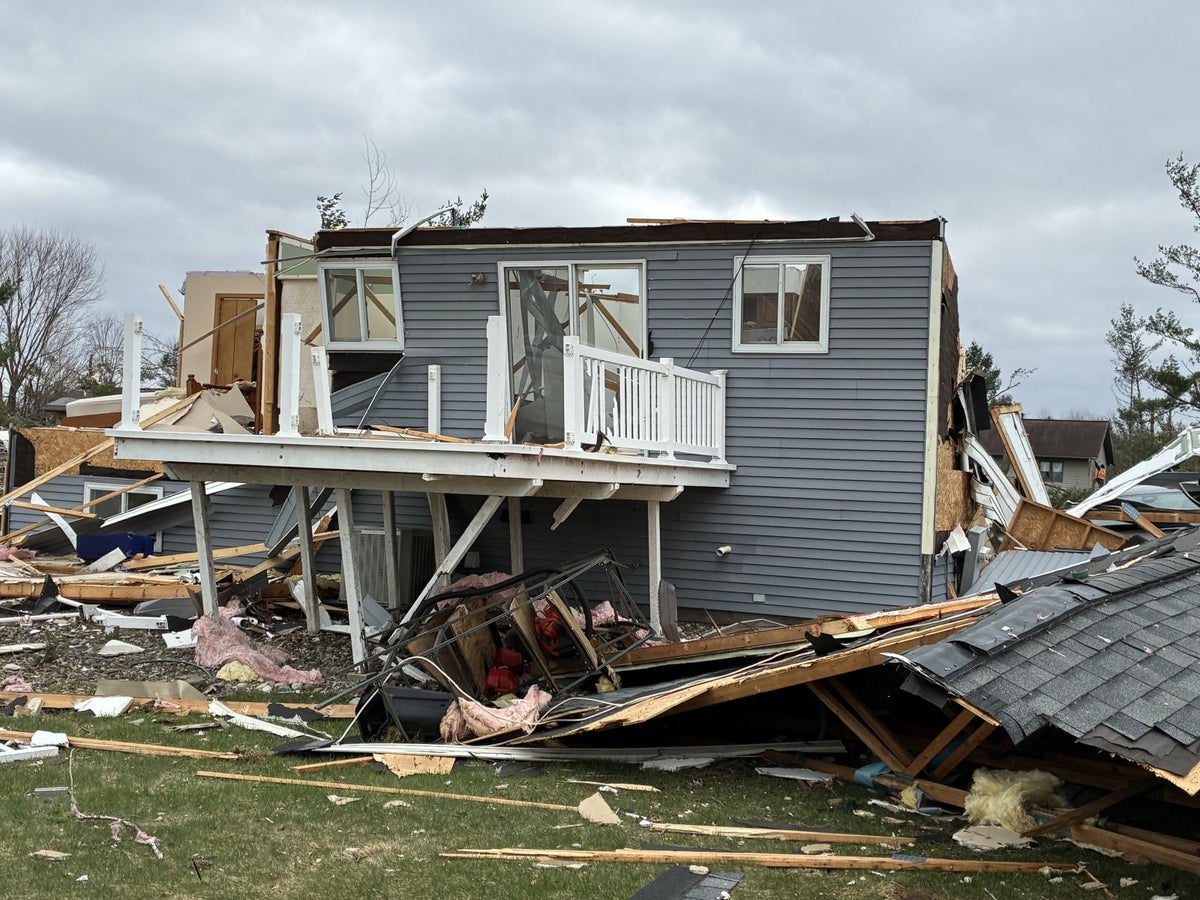
Months after Ringle tornado, final fundraising dollars are being distributed as needs persist
By Marcus Chen
Advertisement · Why this ad?
Marcus manages the day-to-day editorial workflow across all brands, coordinating coverage assignments and ensuring editorial standards are met. He previously served as city editor at the Pioneer Press and holds a degree in Political Science from Carleton College.
More from Marcus →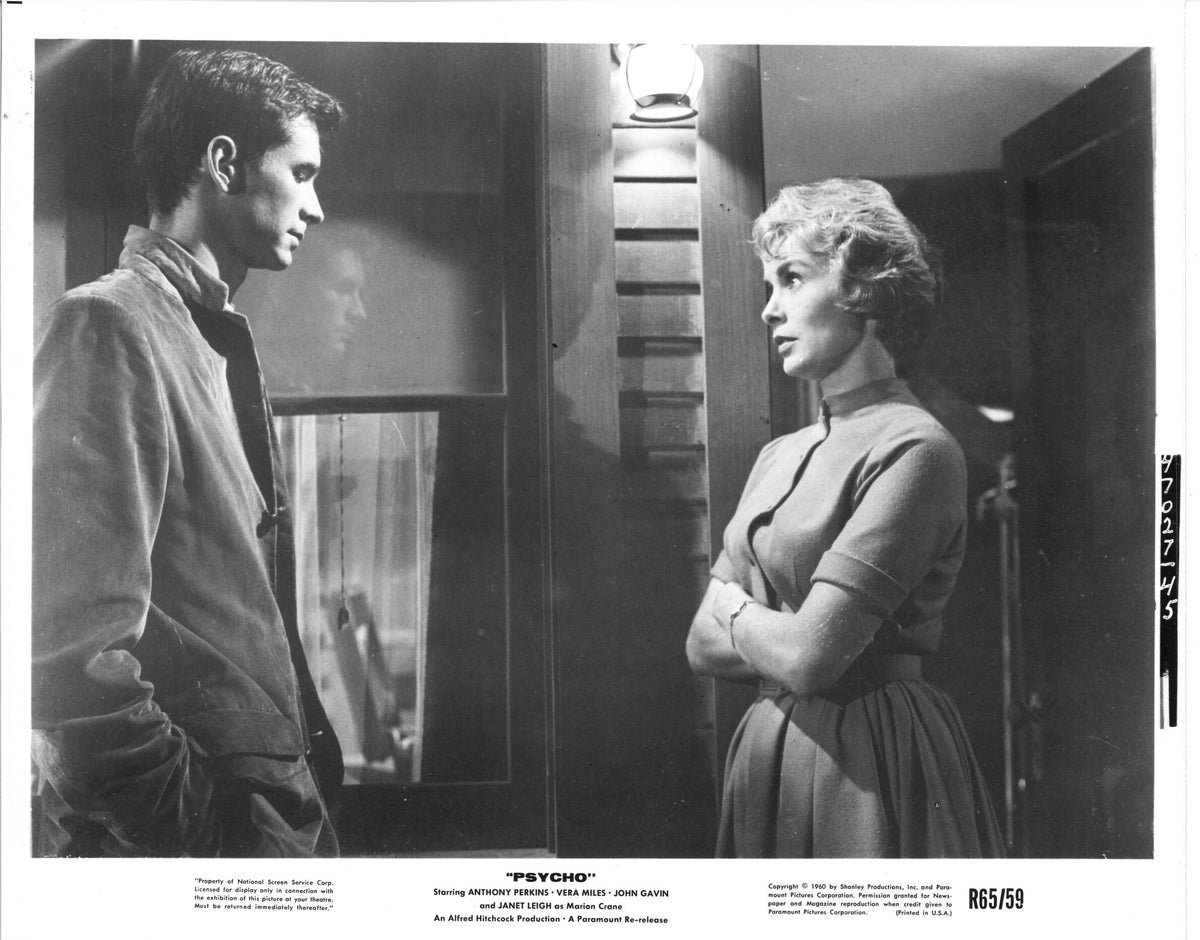
Robert Bloch was a familiar name to me. I had read some of his horror stories, I knew he was the author of “Psycho,” and I’d seen the Alfred Hitchcock movie based on it. But one thing I didn’t know until last month: Bloch, legendary author of horror, fantasy and science fiction books, and screenplays — including episodes of the original Star Trek series — lived and worked in Wisconsin for much of his life. On WPR’s “ Wisconsin Today ,” I talked to Bill Gillard, an English professor at the University of Wisconsin-Oshkosh, who has a new book out on Bloch called “ Psycho Century: Robert Bloch, American Horror Master .” Gillard follows Bloch’s legendary career, including his high school and early writing days in Milwaukee and his time living in Weyauwega, where he wrote the novel “Psycho.” Understanding Wisconsin, Together. WPR’s “Wisconsin Today” newsletter keeps you connected to the state you love without feeling overwhelmed. No paywall. No agenda. No corporate filter. Comments This field is for validation purposes and should be left unchanged. Email Subscribe Origin story of an American horror master Born in Chicago, Bloch’s family moved to Milwaukee at an early age, where his mother worked at the Jewish Settlement House . Gillard told me Bloch’s interest in scary stuff started at an early age. Gillard shared a story about Bloch’s mom giving him money to go see a movie. “The movie he picked was ‘Phantom of the Opera’ with Lon Chaney, which terrified Bloch. Bloch was sitting there in the dark all by himself, this small child watching the most frightening movie ever created,” Gillard said. “Bloch said he didn’t sleep for a month after that … his DNA was altered by seeing that film.” A year later, Bloch had an even more formative experience. Getting ready for a family train trip, his Aunt Lil offered to buy him any magazine he wanted. “Little Bobby, 10 years old, picked this red-covered magazine with this lurid image of a monster,” Gillard said. “He picked the October 1927 edition of “Weird Tales,” which surprised Aunt Lil.” That magazine included the story “Pickman’s Model” by the cosmic horror author H.P. Lovecraft. “He was amazed,” Gillard told me. “He read it again and again and again. He couldn’t believe how great this story by Lovecraft was.” Portrait of a young writer Inspired by Lovecraft, Bloch became a prolific writer. He joined the literary society at Lincoln High School, and had his first story published within a month of graduation. The following year, he had seven short stories published. He joined a local writing group called the Milwaukee Fictioneers which included science fiction author Fredric Brown . He also became a regular correspondent with Lovecraft, his horror idol. In fact, he and Lovecraft even killed each other … in short stories. “Bloch wrote a story that featured a kind of a reclusive writer and researcher, and of all things, esoteric, living in Providence — which is where H. P. Lovecraft lived — who met a kind of explosive and very well wrought demise that took several pages,” Gillard recalled “And then Lovecraft responded in kind,” he said. “It was the only story that Lovecraft ever dedicated to anyone, and it was dedicated to Robert Bloch. And it featured not only ‘Robert Blake’ being just horribly dismembered and destroyed and obliterated, but it featured Robert Bloch’s actual address in Milwaukee, right on Knapp Street.” Psychological horror in small-town Wisconsin Bloch moved to Weyauwega to be near his wife’s family as she dealt with a health crisis. That’s where he found the inspiration for the novel that took him from a prolific and influential genre writer to widespread public appeal. “Bloch thought he knew after a few years what small towns were all about,” Gillard said. “You know, people know each other. Everybody knows each other’s business.” But then the writer started hearing reports of murders and grave-robbing in Plainfield, about 35 miles west of his home in Weyauwega. I had often heard that “Psycho” was based on the true story of serial killer Ed Gein. But as Gillard tells me, while it was an inspiration for the novel, the details in the book were of Bloch’s creation. (Incidentally, before I talked to Gillard, I looked up details of Ed Gein’s story to refresh my memory. I don’t recommend doing that). “Bloch couldn’t understand how nobody knew,” Gillard said. “How could somebody like Ed Gein do this kind of stuff and live in a small town? And he was comparing it to his experience in Weyauwega.” That led Bloch down a path of figuring out how someone like Gein could keep his crimes secret, which ultimately led to the character of Norman Bates — and his job running a motel. “From Route 10 as you’re passing by Weyauwega today, if you look closely, you’ll still see a sign there just north of the highway for the Lakeshore Motel. The sign is still there. The motel is long gone,” Gillard told me. “Legend has it that Bloch, who lived over on Ann Street across the lake from that motel, would look across the lake and say: ‘What if this character I’m creating owned a motel? He would have contact with strangers, but also be part of the community, but also be separate somehow.’” Bridging two worlds of horror The novel “Psycho,” along with the movie, established Bloch as a master of psychological horror. And Gillard told me it was a milestone for Bloch, moving from one kind of horror to another. Bloch had started with the kind of horror inspired in part by his idol H.P. Lovecraft, where otherworldly cosmic entities menaced humankind. But that changed with World War II. Bloch wasn’t drafted, in part because he was a husband and father by the time the U.S. joined the war. But he closely followed the events of the war, and it changed the content of his work. “He had been writing about these horrors coming from elsewhere, other dimensions, ghosts, monsters,” Gillard said. “But he realized that these monsters, they’re nothing compared to what humans are capable of doing to each other, and that profoundly affected him.” Scary stories, friendly author With horror authors, I always wonder — what kind of person can come up with such horrific concepts? In Bloch’s case, it looks like the answer is … a friendly and good-natured person. Gillard talked to Bloch’s friends, colleagues and family members, as well as going through Bloch’s archives at the University of Wyoming, and said that Bloch was friendly, funny and generous. “There are letters from high school students who say, ‘Dear Mr. Bloch, we’re starting a literary magazine, and we’re wondering if you want to submit a story,’ Gillard said. “And Bloch would just write on the letter, ‘Hey, good luck with the magazine, and here’s a story.’ And he would just pull one out of the drawer and send it to them!” Related Stories New horror film spins Wisconsin tropes into a nightmare New documentary explores how one Wisconsin Northwoods town was built to last Horror film ‘Backrooms’ inspired by a meme born in Oshkosh ‘Where the horror grows’: New anthology of scary story writers and places across Wisconsin
By Marcus Chen
By Katherine Langford

By Katherine Langford
By Katherine Langford